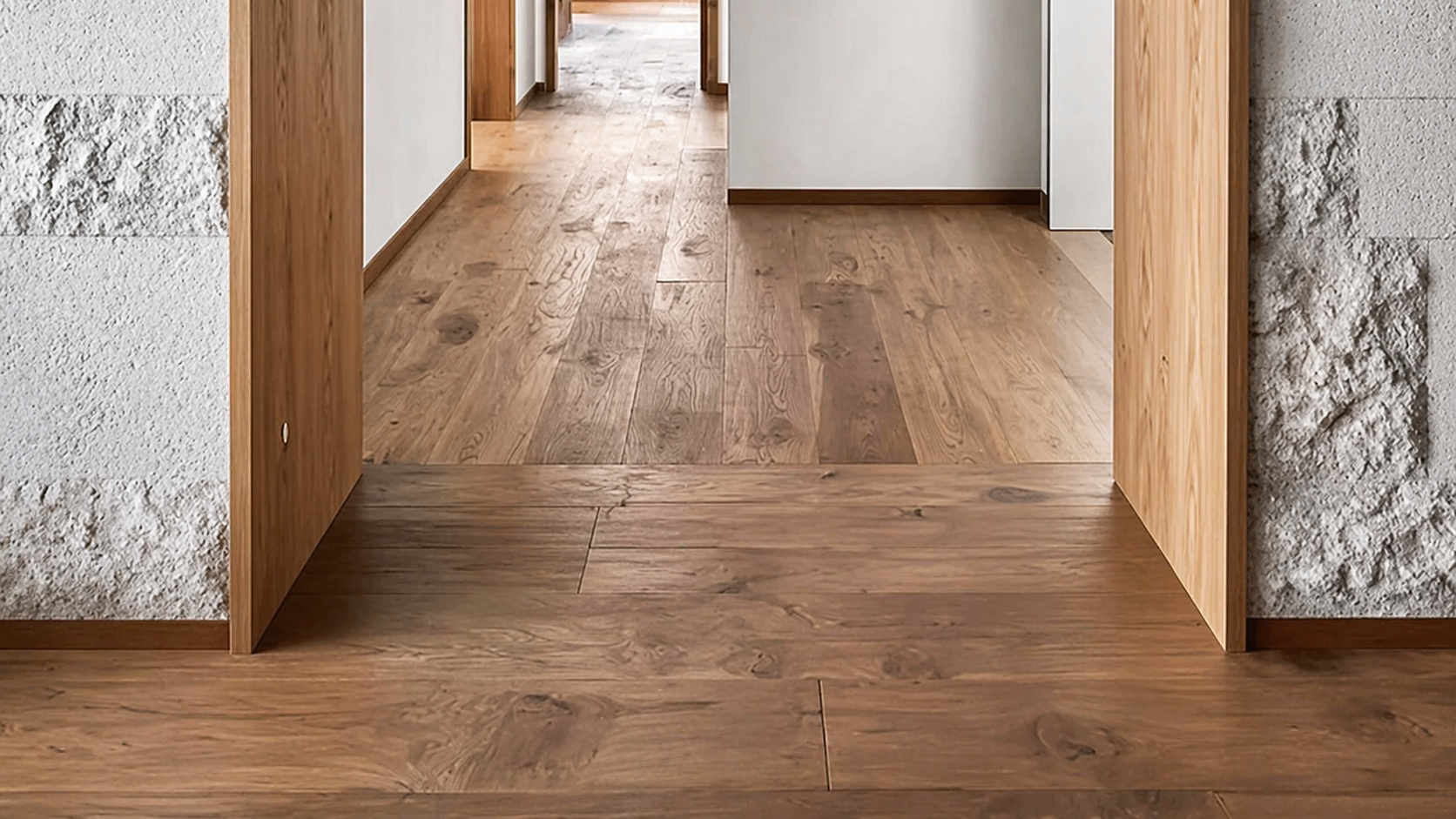
Most people assume their home feels “off” because of furniture, colors, or decor. So they buy a new couch, repaint the walls, or swap out the lighting. And somehow, it still doesn’t feel right. That’s because the real issue usually isn’t what’s in the space. It’s how everything connects.
In architecture, we call this the joint — the point where elements meet. More often than not, that’s where design either works or fails.
What People Usually Focus On
When homeowners start redesigning a space, they usually focus on furniture, finishes, colors, and decor. And those things do matter. But they don’t fix a space that feels awkward, disconnected, or uncomfortable.
Even a well-decorated room can still feel wrong if the underlying layout doesn’t work. That’s why a space can look nice in photos but still feel frustrating to live in.
The Real Problem: Connection
The spaces that feel effortless usually have one thing in common: they connect well.
- The kitchen flows naturally into the living room
- Materials transition cleanly from one area to another
- Movement through the space feels intuitive
- Sightlines feel clear and intentional
These connection points shape how a space feels, how it functions, and how calm or frustrating it is to use every day.
What “The Joint” Means in Your Home
In a typical home, joints show up everywhere: where your kitchen meets your living room, where flooring changes from wood to tile, where walls align or don’t, where ceiling heights shift, and where furniture interrupts movement.
Most people don’t consciously notice these moments, but they absolutely feel them. Good design makes these transitions feel natural. Bad design creates friction.
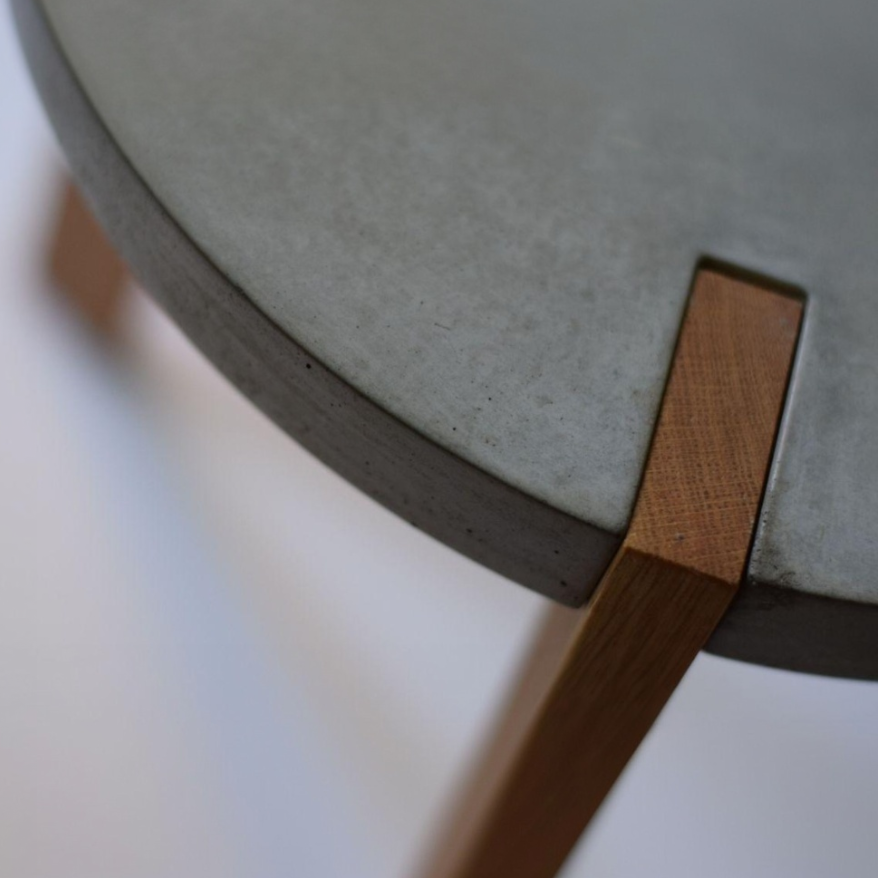
“Architecture is the art of the joint.”
Why This Matters for Real Homes
You do not need a full renovation to improve your home. In many cases, the biggest improvement comes from fixing how your space is organized and connected.
That could mean repositioning furniture to improve flow, simplifying material transitions, rethinking how rooms open into each other, or solving a layout problem that has been bothering you for years.
These changes are often more practical and more affordable than people expect. They also align directly with virtual interior design, room redesign, and residential layout consulting services.
The Mistake Most People Make
Most homeowners skip straight to aesthetics.
“What color should I paint this?”
“What furniture should I buy?”
Those are not bad questions, but they usually come too early. A better question is:
Once the structure of the space works, everything else gets easier. Better layout decisions make furniture easier to place, materials easier to choose, and the entire room easier to live in.
What Good Design Actually Does
Good design doesn’t just make a room look better. It makes the space easier to move through, more comfortable to use, and calmer to live in.
- It reduces friction
- It improves flow
- It clarifies how a room works
- It helps the space feel intentional
That’s what happens when connection points are handled well. Design starts to feel effortless because the space is finally working with you instead of against you.
If your home feels off, start here.
It may not be a styling problem. It may be a layout problem. If you want help figuring out how your space could work better, explore our virtual design services.
Explore Virtual DesignConclusion
At JOINT Design Studio, we focus on what most people overlook. Great design is not about adding more. It is about making things work together.
When the layout is clear, the transitions are thoughtful, and the space supports the way you actually live, the whole home feels better.